






What Can a Portable Doppler Ultrasound Examine? A Body-Region Coverage Map and Its Limits
- 2026-09-15
- 73
- Guangzhou Sonostar Technologies Co., Limited
Buyers evaluating a portable Doppler ultrasound usually ask one practical question before anything about price or modes: which parts of the body will it actually cover in my daily work — and where will it let me down? Coverage is decided less by the brand on the probe than by transducer type, frequency, and penetration depth. This guide maps the body regions a pocket Doppler system handles well, the regions that need a specific probe, and the exams that still belong on a cart-based machine.
Coverage Starts With the Probe, Not the Brand
A wireless probe covers a region only if its footprint, frequency, and depth match that region. Three transducer families do almost all the work:
| Probe | Frequency band | Typical depth | Body regions |
|---|---|---|---|
| Linear (high frequency) | 7.5–13.2 MHz | Superficial, ~2–10 cm | Peripheral/neck vessels, small organs, MSK, nerves, access guidance |
| Convex (low frequency) | 3–5 MHz | Deep, wide field | Abdomen, pelvis, urinary, deep lung/flank |
| Phased array (small footprint) | 2–5 MHz | Deep, through ribs | Cardiac, thoracic, rapid hemodynamic views |
High frequency trades penetration for resolution, so a linear probe gives exquisite superficial detail but cannot reach the abdomen; a convex or phased probe reaches deep but with coarser near-field detail. A portable Doppler ultrasound that ships with only one transducer is therefore limited to that transducer's regions.
Superficial Regions: Where High-Frequency Linear Probes Shine
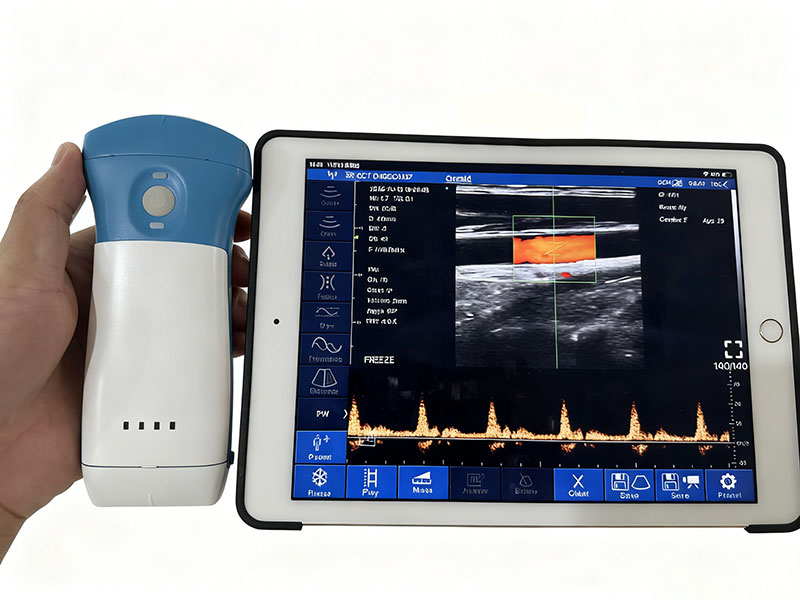
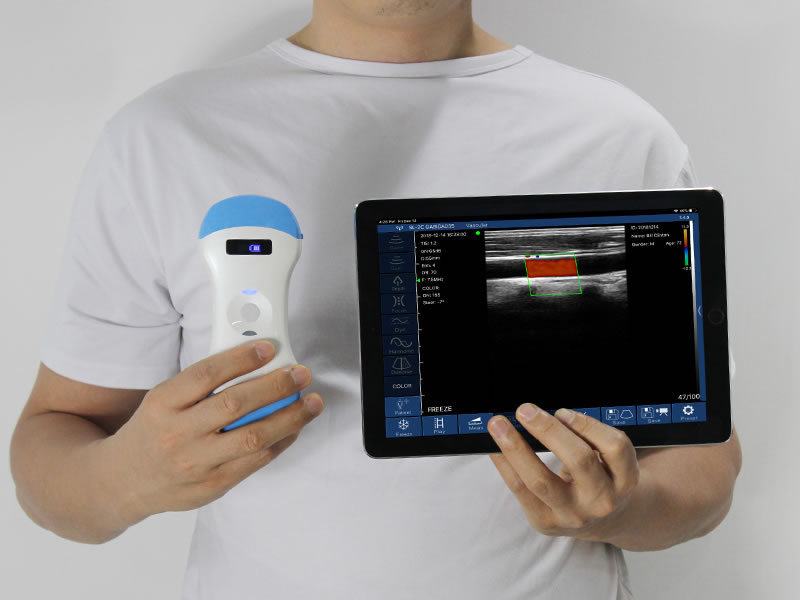
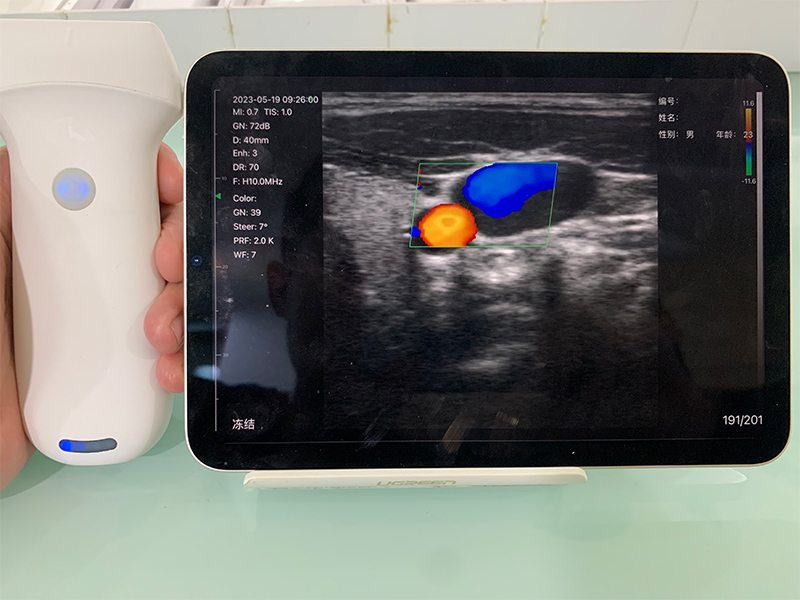
This is where pocket systems most often match or beat a cart for convenience. A 10/13.2 MHz ultra-high-frequency linear probe (such as the SonoStar 9N, with selectable 20–60 mm depth) covers peripheral and neck vessels, small superficial organs, musculoskeletal structures and nerves, and vessel-aware procedural guidance; a 7.5/10 MHz linear (such as the finger-worn 6F, 20–100 mm) extends slightly deeper. With Color, PDI and PW on board, these probes display flow direction and measure velocity in superficial vessels at the bedside, in clinic rooms, or on rounds — the regions where a wireless, pocket-sized form factor is the clearest fit.
Deep Abd ominal, Pelvic and Urinary Regions: Convex Probes
Organs behind the abdominal wall need a low-frequency convex probe for penetration. Convex handheld probes (the SonoStar 9C/8C class) support general abdominal and pelvic structural viewing, urinary and bladder assessment, flank and deep-lung views, and Doppler evaluation of deeper vessels where penetration permits. A micro-convex/linear dual-head design (the 5MP class) extends the same coverage to pediatric and small-body use. Be realistic about the far field: studies comparing handheld with high-end systems consistently report lower performance for the deepest, most technically difficult regions.
Cardiac and Thoracic Work: Why a Phased Array Is Required
The heart sits behind the ribs, which is exactly why cardiac scanning needs a small-footprint phased-array probe that can scan between intercostal spaces — a linear probe cannot do this job. A dedicated phased-array handheld (the SonoStar 6PA class), or the phased head of a 3-in-1 probe, delivers rapid focused cardiac and thoracic views and pericardial/pleural assessment in under a few minutes. What it does not deliver is a complete, quantitative echocardiographic study: AHA reviews note handheld echo remains a focused, rapid-view tool with lower resolution and limited optimization versus a full laboratory system, especially on technically difficult patients.
What a Portable Doppler Ultrasound Cannot Reliably Do
Independent evidence is consistent about the boundaries, and a trustworthy buyer should know them up front:
Deep and difficult-to-penetrate regions — retroperitoneal structures, deep abdominal organs in larger patients, and structures obscured by bowel gas: penetration, spatial and contrast resolution sit below high-end carts, and performance falls as target depth and BMI rise.
Complete, quantitative cardiac studies — full echocardiography, strain imaging, and precise valvular regurgitation grading still require a cart system.
Detailed fetal structural surveys and high-precision obstetric measurement — focused viewing is possible; a comprehensive survey is not.
Advanced techniques absent from most pocket platforms — tissue elastography, 3D/4D volumetric work on standard models, and extensive spectral packages.
Definitive diagnosis of complex or ambiguous cases — the established role of handheld ultrasound is focused assessment, triage, screening and guidance, with cart-based confirmation where findings are complex.
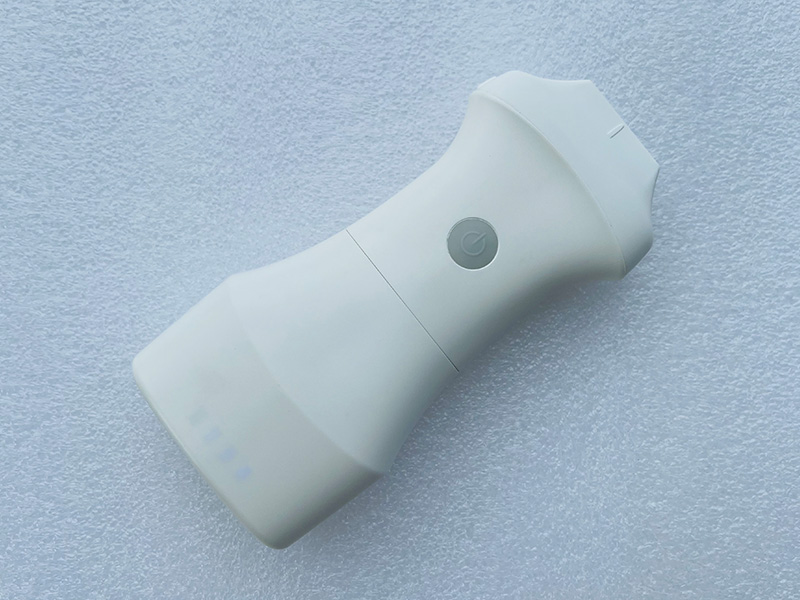
One Probe or Three? Matching Configuration to Your Region List
The most common buying mistake is choosing a single-head probe for a multi-region caseload, then discovering the missing transducer. Use your own region list to decide:
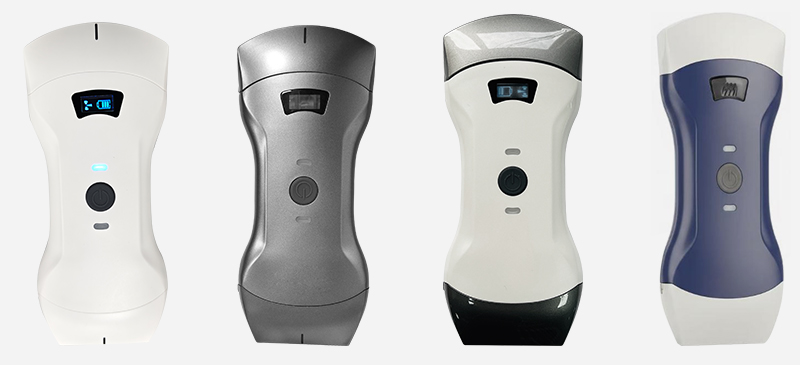
| Your dominant regions | Probe needed | SonoStar configuration |
|---|---|---|
| Superficial vessels, small parts, access | Linear only | 9N / 9L linear series |
| Abdomen, pelvis, urinary, deep flank | Convex | 9C / 8C convex series |
| Cardiac / thoracic focused views | Phased array | 6PA phased array |
| Mix of all three across the day | 3-in-1 (convex+linear+phased) | 9CPL swappable-battery triple-head |
| Adult + pediatric/small-body mix | Micro-convex dual-head | 5MP class |
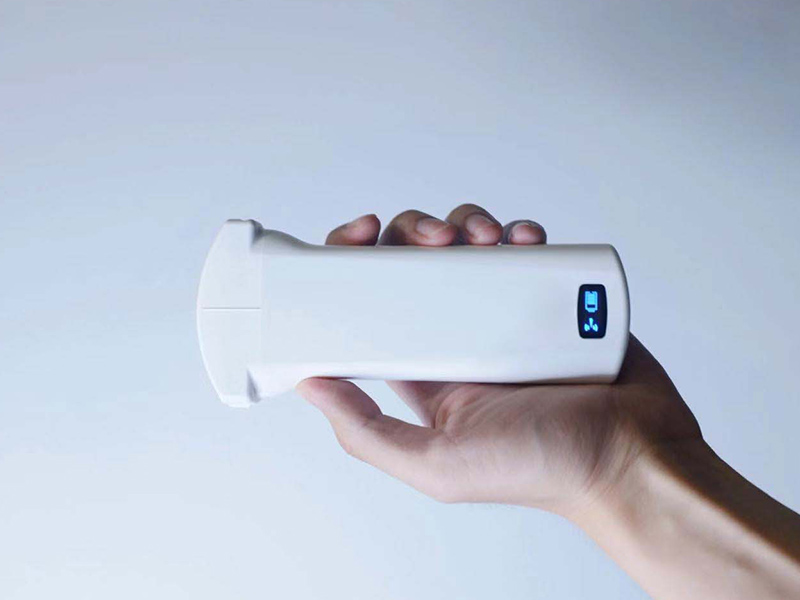
A 3-in-1 wireless probe carries all three transducer heads in one pocket device, which is the pragmatic answer for teams whose region list spans superficial, abdominal and cardiac work without carrying three separate probes.
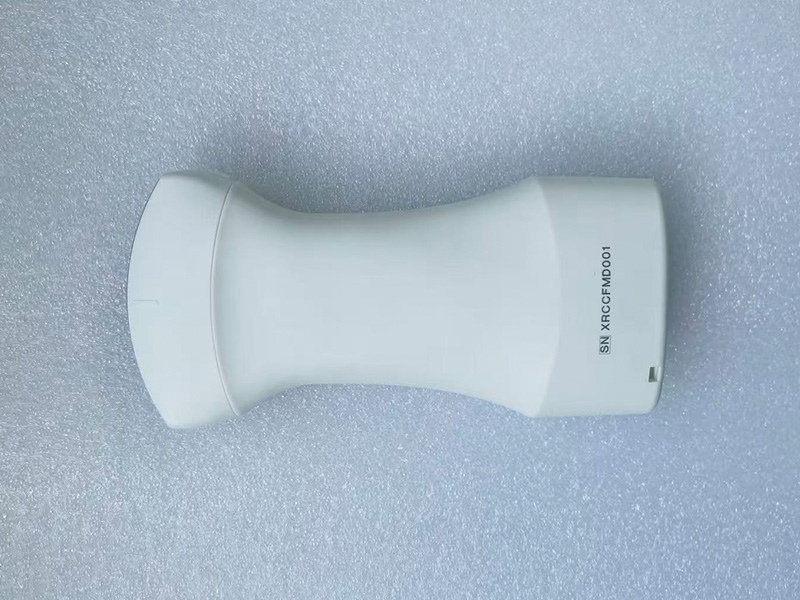
Frequently Asked Questions
Can one portable Doppler ultrasound cover both superficial and deep exams?Only with multiple transducer heads. A single linear probe cannot reach the abdomen, and a single convex probe gives poor superficial detail. Choose a 3-in-1 (convex + linear + phased) or dual-head model if your caseload spans depths.
Can a handheld device perform a complete echocardiogram?No. It provides rapid focused cardiac views; AHA guidance states full, quantitative echocardiography with advanced optimization still requires a laboratory cart system.
Which body regions are hardest for a pocket probe?Deep retroperitoneal structures, bowel-gas-obscured areas, exams in high-BMI patients, and comprehensive fetal surveys — penetration and resolution drop with depth and body habitus.
Do I need a separate probe specifically for the heart?Yes, a phased-array head is required to scan between the ribs; it can be a standalone probe or the phased head built into a 3-in-1 device.
Can a pocket Doppler replace a cart for definitive diagnosis?It replaces the cart for focused assessment, triage, screening, bedside follow-up and guidance. Complex or definitive diagnosis still warrants a high-end cart, the role defined for handheld ultrasound in EFSUMB guidance.
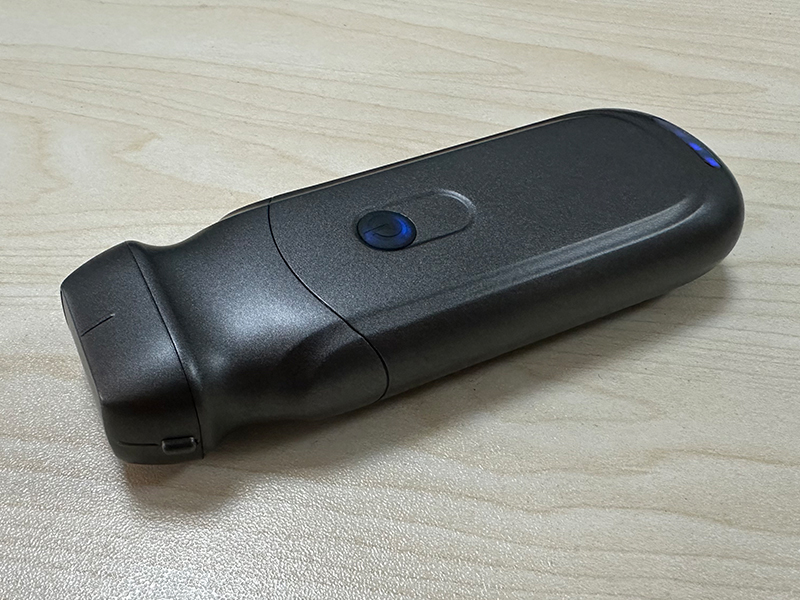
Conclusion
The honest answer to "what can a portable Doppler ultrasound examine" is: everything its transducer set can reach — superficial vessels and small parts on a high-frequency linear probe, abdomen and pelvis on a convex probe, and focused cardiac views on a phased-array head — while deep, high-BMI, fully quantitative cardiac and comprehensive fetal exams remain cart territory. Build your region list first, match the probe heads to it (a 3-in-1 is the efficient choice for mixed caseloads), and treat the device as a focused-imaging tool that knows its own limits. Compare the full linear, convex, phased-array and 3-in-1 lineup to configure coverage around the regions you actually scan.
References
Nielsen MB, et al. EFSUMB Position Paper on Handheld Ultrasound. Ultraschall in der Medizin. 2019;40:e1.
Handheld Echocardiography. Circulation / American Heart Association, 2017 (CIRCULATIONAHA.117.026622).
Accuracy of lung ultrasound performed with a handheld device in internal medicine. PMC11496455.
Prospective comparison of nine handheld devices in abdominal sonography. PMC11393954.
Handheld ultrasound for portal-vein evaluation: depth-dependent performance. PMC11613103.
Kremkau FW. Sonography: Principles and Instruments. Elsevier.

 Home
Home Product
 News
News Contact