






Handheld Ultrasound for Emergency Medicine: POCUS Applications in the ED
- 2026-10-09
- 44
- Guangzhou Sonostar Technologies Co., Limited
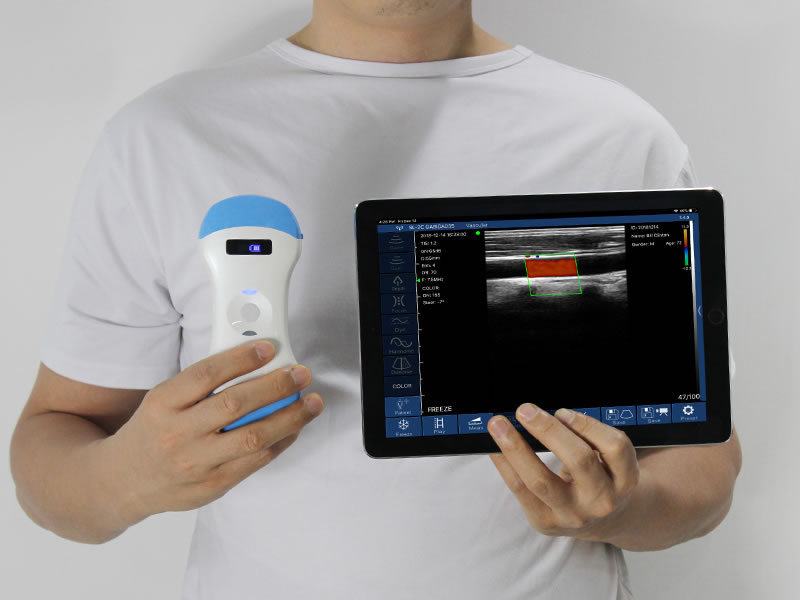
In the emergency department the question is rarely "what test should we order" but "what do we need to know right now." Handheld point-of-care ultrasound (POCUS) answers that at the bedside, in seconds, before the patient leaves the resuscitation bay. A wireless probe that streams to a phone or tablet lets emergency physicians scan trauma, cardiac, and procedural cases without wheeling a cart into an already crowded room. This guide covers how POCUS is used in emergency medicine, the core ED applications, and which SonoStar wireless probes fit the department.
What Is POCUS in Emergency Medicine?
POCUS (point-of-care ultrasound) is clinician-performed, goal-directed ultrasound used to answer a specific immediate question — not a full diagnostic study. In EM it is the backbone of modern triage and resuscitation: rule in a ruptured AAA, find free fluid after trauma, estimate cardiac function during arrest, or confirm a needle tip during central-line placement. The defining feature is speed and proximity: the image appears where the patient is.
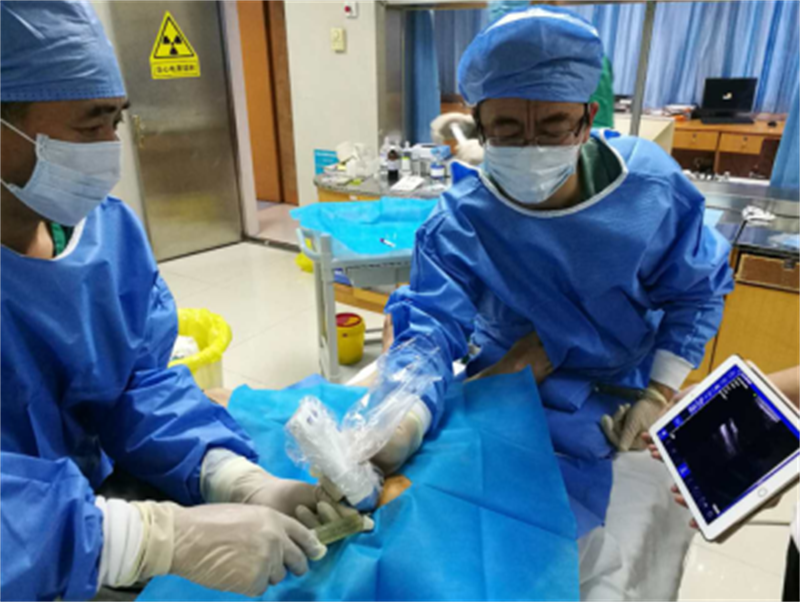
Why Handheld Wireless Beats a Cart in the ED
Bedside, not bay-side. A pocket probe follows the clinician to the trauma bed, ambulance, or hallway.
No power hunt. Battery-powered, it works through the probe's own Wi-Fi — no cart, no outlet.
Faster answers. Seconds from thought to image, which matters when "undifferentiated shock" is the working diagnosis.
Lower cost of entry. Wireless handheld units are a fraction of a cart-based system, so more departments can equip more clinicians.
Infection control. Smaller and easier to wipe down between patients than a full console.
Core Emergency POCUS Applications
Trauma — FAST / eFAST (convex). Free fluid in pelvis/abdomen, pleural effusion or pneumothorax, pericardial effusion. The convex probe (8C / 9C) is the workhorse.
Cardiac (phased array). Subxiphoid and parasternal views to estimate function, look for pericardial effusion, and guide arrest care. A phased-array or 3-in-1 probe covers this.
AAA screening (convex). Rapid abdominal aortic measurement in the hypotensive patient.
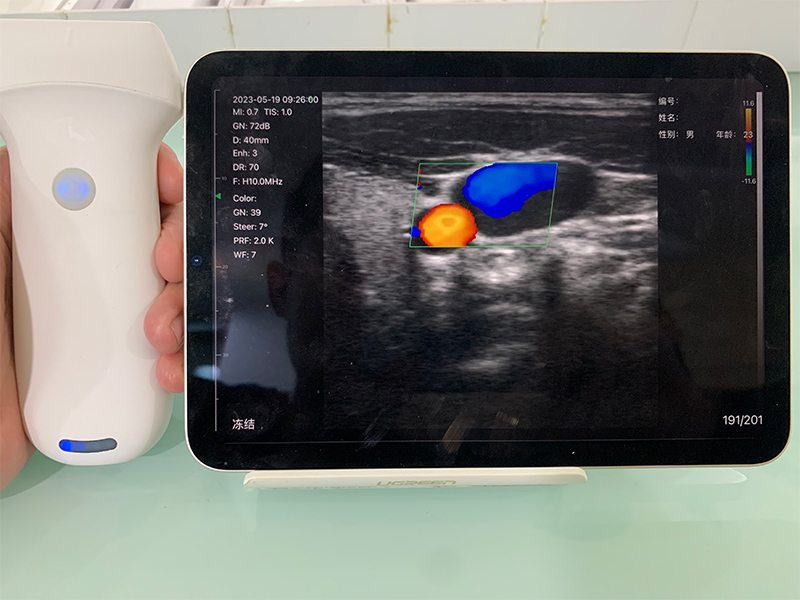
Vascular access (linear). Real-time guidance for difficult peripheral, central, and IO access. The linear probe (8L / 9L) excels here.
DVT (linear). Compressibility check in the suspected pulmonary-embolism patient.
Lung (convex / linear). B-lines, consolidation, and pleural sliding — an increasingly standard ED respiratory workup.
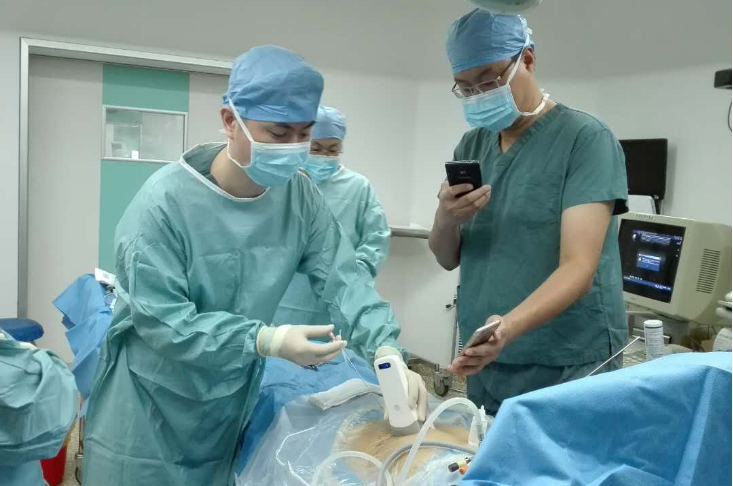
Procedural guidance. Nerve blocks, thoracentesis, paracentesis, lumbar puncture — see the needle, avoid the structure.
Which SonoStar Probe for the Emergency Department?
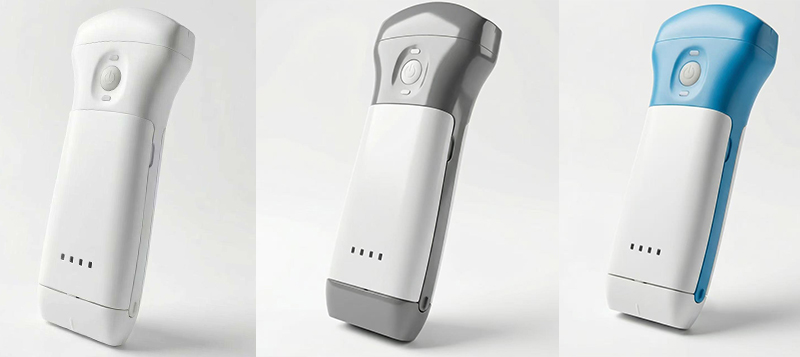
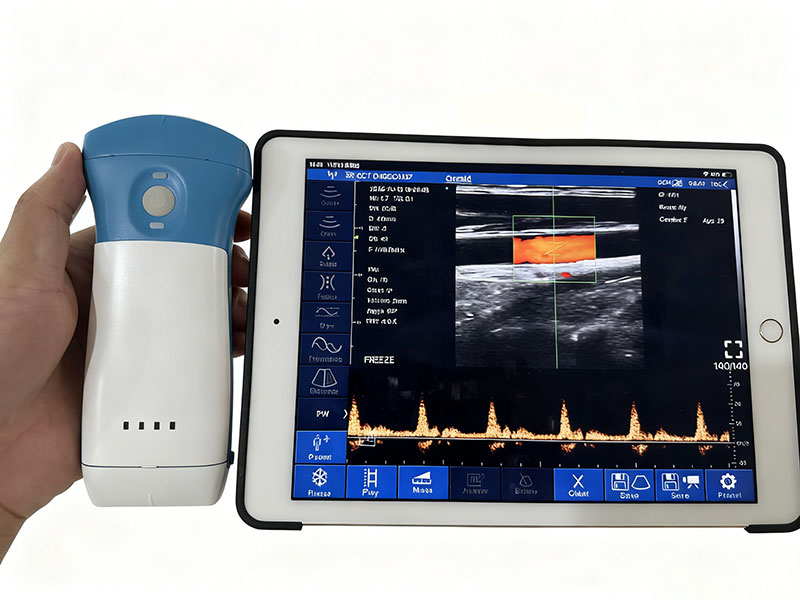
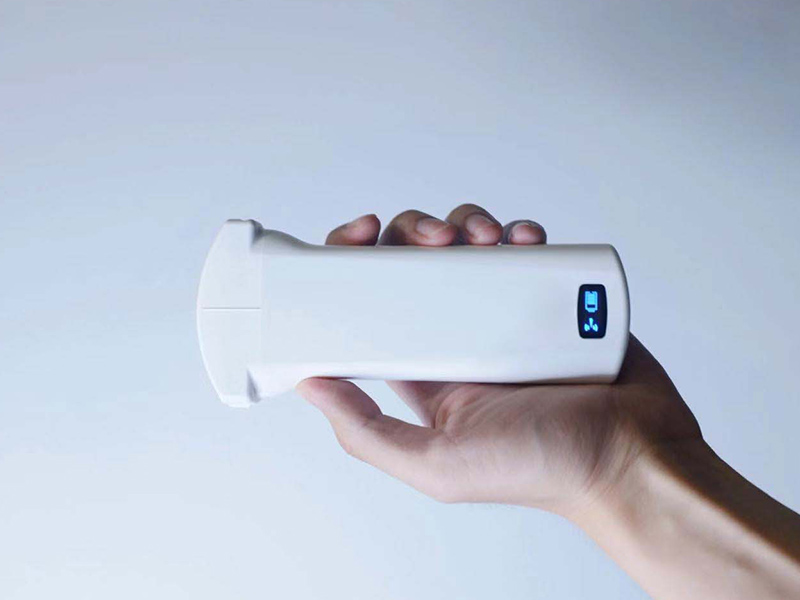
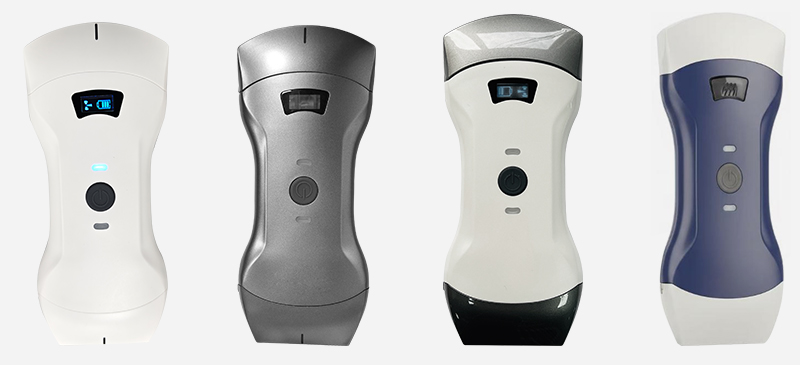
SonoStar's wireless palm probes cover the three array types an ED needs. All stream wirelessly to a phone or tablet, are pocket-size, and pair with the SonoStar SmartUSG app.
| Probe | Array | ED use | Notes |
|---|---|---|---|
| 8C / 9C | Convex | FAST, eFAST, AAA, lung, pelvic | 64-channel color Doppler, 192 elements |
| 8L / 9L | Linear | Vascular access, DVT, nerve | Replaceable-battery option (9L) |
| 8CPL / 9CPL | 3-in-1 (convex + linear + phased) | Whole-ED kit | One probe for FAST + cardiac + lines |
For department-specific guidance, see the Critical Care, Anesthesiology, Vascular, and Cardiology solution pages.
ED Workflow in Practice
Trauma bay. Within the golden hour, a convex FAST rules in intraperitoneal bleeding and can change disposition from CT to OR.
Cardiac arrest. A subxiphoid cardiac view helps distinguish pseudo-PEA and detect tamponade in seconds.
Difficult access. A linear probe turns a 20-minute blind stick into a 2-minute guided line.
These are not theoretical — SonoStar probes have been used in documented whole-body scanning and bedside cases by practicing physicians (see the whole-body scanning case series).
Training and Adoption
POCUS is a learned skill. Most EDs run an internal credentialing pathway, and a wireless probe lowers the barrier because more clinicians can practice on shift. Start with a focused protocol — FAST or vascular access — before expanding to cardiac and lung.
Frequently Asked Questions
Can a handheld ultrasound replace the cart in the emergency department?
For most bedside, goal-directed questions — FAST, cardiac windows, vascular access, DVT — a wireless handheld is faster and reaches the patient directly. A full cart remains useful for comprehensive diagnostic studies.
Which probe covers the most emergency department applications?
A 3-in-1 convex + linear + phased array probe (SonoStar 8CPL / 9CPL) covers FAST, cardiac, and line placement in one device, making it the most cost-effective ED starter.
Is handheld POCUS accurate enough for the emergency department?
For binary, protocol-driven questions — free fluid yes/no, pericardial effusion, line position — modern wireless probes are well validated and fast. They complement, not replace, comprehensive imaging.
Does SonoStar support emergency-department adoption?
SonoStar supplies wireless palm probes with manufacturer-direct pricing and training resources; department-specific guidance is available on the Critical Care, Anesthesiology, and Vascular solution pages.
Equip your ED with wireless POCUS
Explore SonoStar's wireless palm probes or request a demo and quote for your emergency department.
View SonoStar Wireless Probes →SonoStar (索诺星医疗) is a manufacturer of wireless handheld ultrasound probes, including convex (8C/9C), linear (8L/9L), and 3-in-1 (8CPL/9CPL) palm probes. Internal links point to live SonoStar product and solution pages. This article is for clinical-education and procurement guidance; local credentialing and training requirements apply.

 Home
Home Product
 News
News Contact